Personal Fitness Coaching: $140B Market Insights
Imagine transforming your passion for fitness into a lucrative career within a $140 billion industry poised for explosive growth. The global fitness market has surged past unprecedented heights, driven by rising health awareness, technological innovations, and a shift toward personalized wellness solutions. At the heart of this boom lies personal fitness coaching, a sector that commands premium pricing and unwavering client loyalty.
As an intermediate fitness professional or aspiring coach, you already grasp the basics of training protocols and client motivation. Yet, navigating this competitive landscape demands more than expertise; it requires sharp market intelligence. In this analysis, we dissect the $140 billion personal fitness coaching arena, uncovering key trends like virtual coaching platforms, AI-driven personalization, and niche specialization in areas such as corporate wellness and longevity training.
You will gain actionable insights into revenue models that outperform the average, demographic shifts fueling demand, and proven strategies to scale your practice amid economic uncertainties. Whether you aim to launch a solo venture or expand an existing one, these data-backed revelations will equip you to capture your share of this trillion-dollar trajectory. Stay ahead; the fittest coaches thrive by mastering the business as much as the body.
What Is Personal Fitness Coaching?
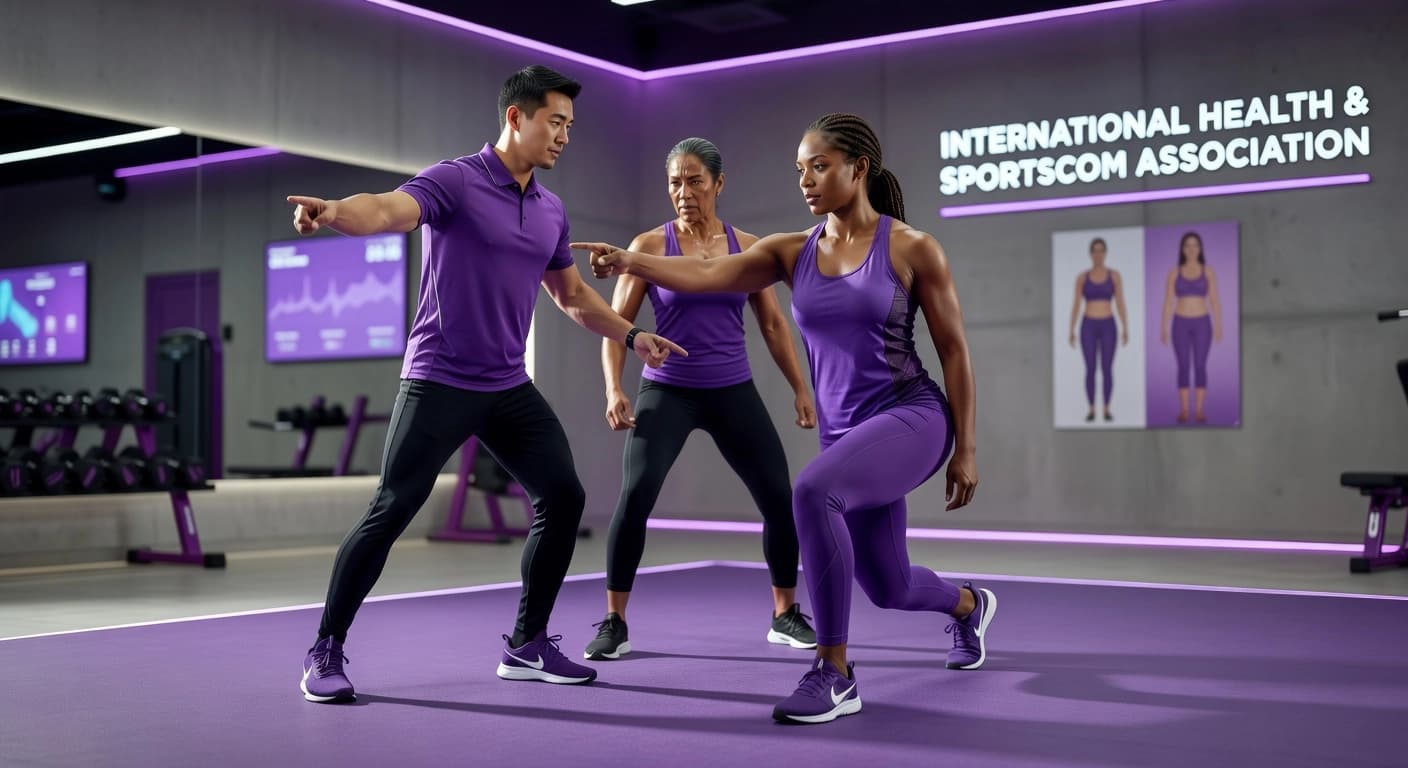
Personal fitness coaching is a professional service delivered by certified trainers who create tailored programs to help clients achieve sustainable health and performance goals. Unlike generic gym routines, it emphasizes individualized strategies based on a client's fitness level, medical history, lifestyle, and preferences. This one-on-one or small-group approach integrates exercise science, behavioral coaching, and ongoing support to drive measurable results. With the global fitness coaching market valued at $55 billion in 2025 and projected to reach $140 billion by 2033 at a 12% CAGR, the demand for such personalized guidance continues to surge, particularly in online formats.
Core Elements of Personal Fitness Coaching
At its foundation, personal fitness coaching rests on four pillars: customized workouts, nutrition plans, accountability check-ins, and progress tracking. Trainers design workouts after initial assessments like body composition scans and movement screens, such as overhead squats, adjusting programs every 1-2 weeks to prevent plateaus and injuries. Nutrition guidance complements this with macro-balanced meal plans tailored for fat loss or muscle gain, often tracked via apps. Accountability comes through weekly check-ins via calls or messages, boosting adherence rates by 2-3 times compared to self-guided efforts. Progress tracking uses metrics from wearables, like heart rate variability, enabling data-driven refinements. Certified trainers ensure these elements align holistically, as outlined in expert resources like OPEX Fit's guide to personal fitness training.
Post-Pandemic Shift to Online and Hybrid Models
The pandemic catalyzed a pivot to online and hybrid delivery, with 62% of trainers now using blended formats for global reach. This allows one-on-one video sessions or small-group challenges without geographic limits, scaling client loads by 30% through asynchronous content. Hybrid models yield 28% year-over-year revenue growth and 25% higher margins than in-person only, per industry data. Clients benefit from flexibility, while trainers leverage tools for exercise libraries and client management.
Client Value: Personalization Over Generic Programs
Clients see superior, sustainable outcomes from personalization, including faster progress, lower injury risk, and better habit formation versus one-size-fits-all apps or classes. For instance, form corrections reduce errors common in generic routines, while biometric integration personalizes recovery. Studies show coached clients exercise more consistently, with 71% reporting higher motivation via AI-enhanced tracking.
Certifications and Industry Credibility
Credibility stems from NCCA-accredited certifications like NASM CPT or ACE, requiring exams, CPR training, and continuing education. In 2023, 385,000 US certified trainers underscored this, with employment projected to grow 12% by 2034. Freelancers with credentials earn 25% more, averaging $65 per session globally.
Typical Session Structure
Sessions start with initial assessments: PAR-Q reviews, SMART goal-setting, and fitness tests, per NASM's consultation protocols. Weekly sessions include warm-ups, main workouts with technique coaching, and homework. Long-term alignment involves monthly reviews and evolutions, ensuring enduring success. This structure, detailed in personal training overviews, positions coaching as a scalable career path for trainers adopting digital tools.
Market Size and Explosive Growth Projections
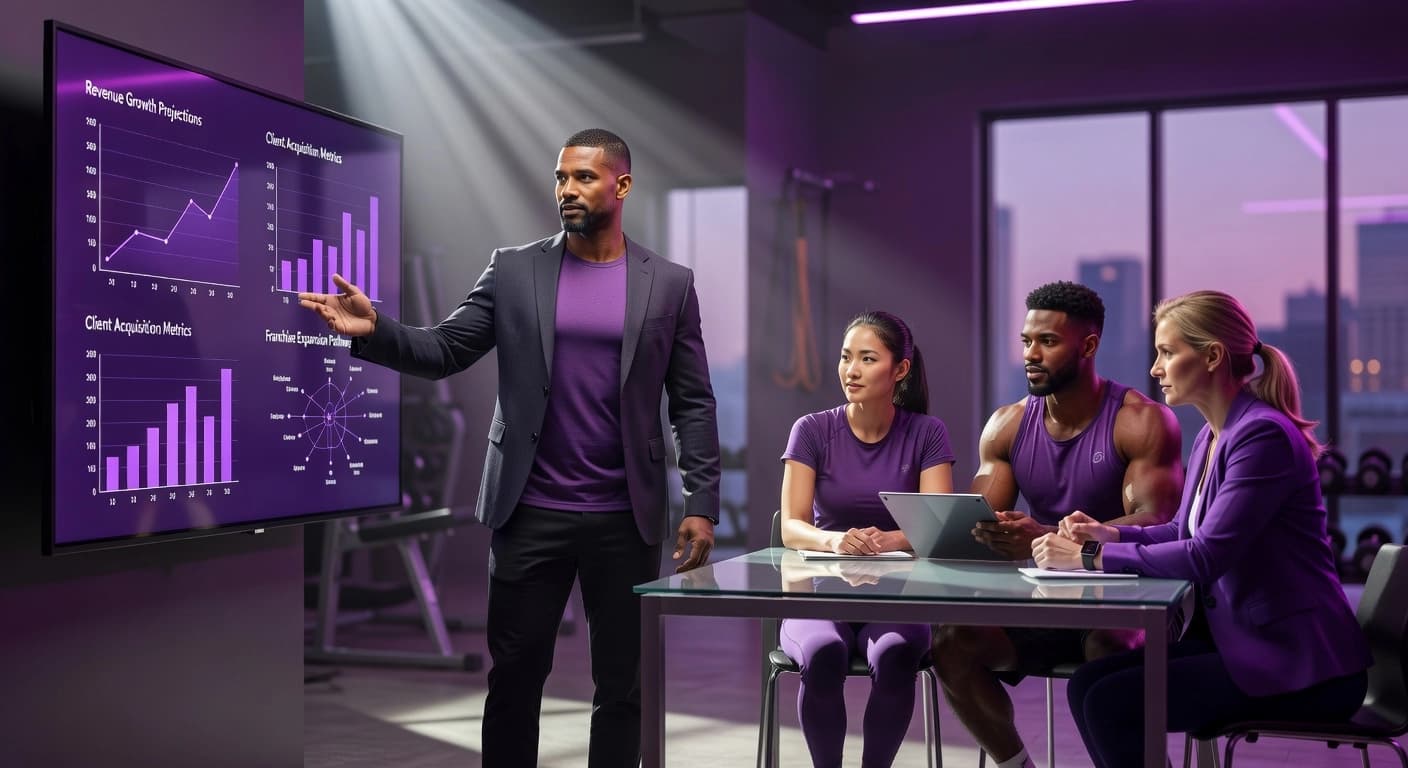
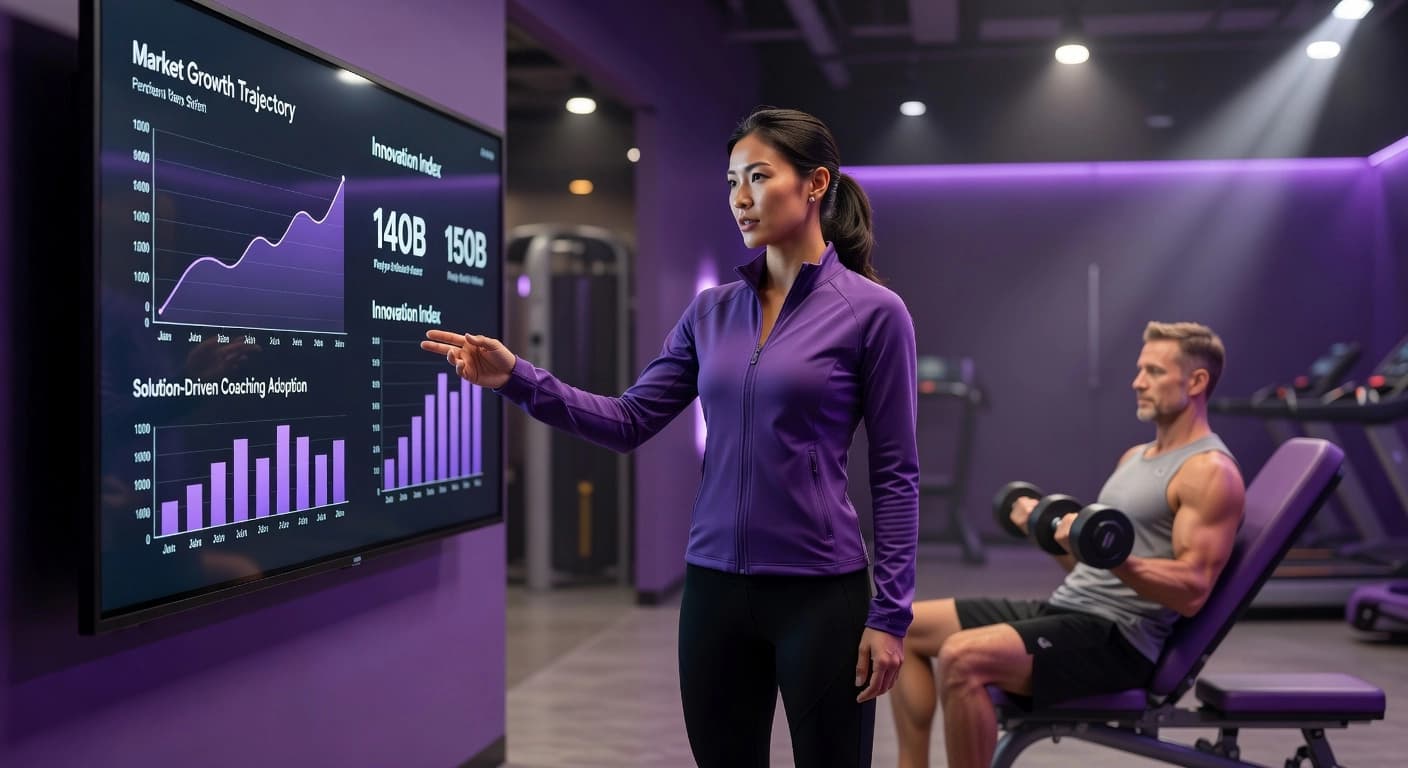
The global fitness coaching services market underscores the massive opportunity in personal fitness coaching, valued at $55 billion in 2025 and projected to surge to $140 billion by 2033 at a robust 12% CAGR. This growth stems from heightened health consciousness, technological integration, and a shift toward personalized, scalable services post-pandemic. Personal fitness coaching leads as the dominant segment, with demand for customized programs driving expansion across regions; North America holds the largest share, while Asia-Pacific accelerates fastest due to rising disposable incomes and digital adoption. Coaches leveraging data-driven strategies can capture this momentum, particularly by transitioning from manual tracking to automated platforms that handle client progress and scalability. For instance, tools with expansive exercise libraries enable trainers to serve more clients without proportional time increases. This market trajectory signals that forward-thinking coaches must prioritize efficiency to thrive amid intensifying competition. Fitness Coaching Services Market Report
Online and Virtual Fitness Coaching Surge
Online fitness coaching exemplifies explosive potential, growing from $8.4 billion in 2022 to a forecasted $59.23 billion by 2032 at a 21.6% CAGR, while the virtual fitness market leaps from $16.4 billion to $269.32 billion at an astonishing 32.1% CAGR. These figures reflect consumer preferences for flexible, accessible training via apps and video platforms, bypassing geographical limits. Intermediate coaches benefit immensely, as virtual delivery reduces overheads like gym rentals and travel, allowing global client acquisition. Hybrid models, blending virtual check-ins with occasional in-person sessions, further amplify reach; data shows they retain clients 40% better through community features. Actionable insight: integrate video courses and macro tracking to upsell premium packages, turning one-off sessions into recurring revenue streams. Personal Training Industry Statistics
Software Market and Coach Implications
The personal fitness training software market, critical for coaches ditching spreadsheets, stands at $594 million in 2025, expanding to $638 million soon after, with the US segment boasting a 13.8% CAGR through 2033. This niche fuels broader growth by offering client management, zero-commission payments, and AI personalization adopted by 42% of apps. For coaches, online models yield 40% margins versus 15% for in-person, while hybrid approaches deliver 28% YoY revenue growth through diversified income. Independent trainers averaging 15 clients weekly can scale to 30+ by adopting these tools, boosting earnings toward the $120,000 annual benchmark for top performers. Prioritize platforms with Stripe integration and 1,000+ exercises to automate accountability, freeing time for high-value coaching. Ultimately, these projections empower data-informed planning; coaches using Personal Fitness Trainer Global Market Report insights like those from FutureDataStats and Gitnux position themselves for outsized success in this booming landscape.
Trainer Demographics and Earning Potential
Trainer Demographics
In the United States, the personal fitness coaching landscape features approximately 385,000 certified personal trainers as of 2023, according to Gitnux industry statistics. This number aligns with Bureau of Labor Statistics data showing over 370,100 fitness trainers and instructors employed nationwide in 2024, reflecting robust growth fueled by health awareness and hybrid models. Notably, about 25% of these professionals operate independently, often managing an average of 15 clients per week. These independents drive much of the sector's expansion through flexible scheduling and personalized services. For intermediate coaches, understanding these demographics reveals the competitive edge in going solo: independents report higher client retention at 65% after three months, largely via referrals (35%) and social media (40%). Scaling beyond 15 clients, however, demands efficient systems to avoid burnout.
Earning Potential
Certified personal trainers in the US earn an average annual salary of $62,000, with global session rates averaging $65 per hour, per Gitnux data. Certified freelancers command a 25% premium over non-certified peers, often reaching $75,000 or more in corporate or specialized roles. Top earners, particularly those blending online and in-person services, exceed $100,000 annually by leveraging hybrid models adopted by 70% of coaches. Actionable insight for growth-minded trainers: obtain accreditations from bodies like NASM or ACE, then diversify into virtual sessions, where margins hit 40% compared to 15% in gyms. Experienced coaches with 5+ years see 24-40% higher pay, underscoring the value of continuous specialization.
Scalability Challenges and Specialization Opportunities
Independent coaches spearhead industry growth at 12-15% annually, yet spreadsheets hinder high-volume management for 15+ clients, leading to manual tracking inefficiencies cited in Gitnux reports. As 90% now seek progress-tracking software and 82% use fitness apps, ditching spreadsheets unlocks scalability via automated client portals and zero-commission payments. Opportunities abound in niches like seniors (top trend per ACSM, with 22% demand surge) and neuro-fitness, integrating cognitive training for mental resilience. These specializations boost retention above 65% and allow 20-40% premium pricing. For example, senior-focused programs emphasize balance and chronic disease prevention, while neuro-fitness incorporates wearables for personalized recovery. Trainers adopting these, paired with AI tools (used in 42% of apps), position themselves for the $140 billion market by 2033. Bureau of Labor Statistics projections confirm 74,200 annual openings, rewarding scalable innovators.
Top Trends Shaping Personal Fitness Coaching in 2026
AI Amplification: Revolutionizing Personalization and Efficiency
Personal fitness coaching in 2026 hinges on AI as a core amplifier, with 42% of apps now integrating it for hyper-personalized program outlines, real-time data analysis, and adaptive adjustments, according to NASM and Gitnux reports. This technology automates routine tasks like generating workout variations based on client feedback or predicting plateaus through performance metrics, allowing coaches to focus on high-value interactions such as motivation and form corrections. For intermediate trainers, adopting AI means scaling beyond spreadsheets; tools that analyze vast exercise libraries enable custom plans in minutes, boosting client adherence by up to 42% compared to static programs. Consider a coach handling 15 clients weekly: AI can sift through HR data to tweak macros or deloads automatically, freeing hours for growth. Actionable insight: integrate AI platforms with your client management system to track progress longitudinally, ensuring programs evolve with biometric shifts. As the NASM top fitness trends report notes, AI excels at scaffolds but demands human oversight for empathy-driven adaptations, like supporting clients on GLP-1 medications.
Wearables Integration: Precision Through Biometric Syncing
Seamless integration with wearables like Apple Health and Garmin devices defines data-driven coaching, pulling in HRV, sleep quality, and recovery scores to refine sessions dynamically. Coaches analyze low HRV mornings to swap high-intensity intervals for mobility work, preventing overtraining and accelerating gains. This trend, ranked #1 by ACSM's 2026 survey of 2,000 professionals, empowers intermediate audiences to interpret metrics for personalized tweaks, such as extending recovery phases post-poor sleep. Over 70% of users leverage this data for habit reinforcement, turning raw numbers into prescriptive actions. Practical step: sync wearables via app APIs for automated alerts, then layer in client surveys for holistic accuracy. The result? Clients see 15% faster fat loss and sustained motivation, positioning coaches as indispensable interpreters in a biometric era.
Holistic Wellness: Prioritizing Longevity, Mental Health, and Recovery
Shifting from aesthetics to healthspan, 2026 coaching emphasizes longevity training with strength for metabolic health, alongside mental wellness where 78% of clients report emotional benefits from consistent movement. Recovery protocols, including breathwork and deloads, now anchor programs to combat burnout amid rising GLP-1 use. NASM surveys reveal healthy aging as the fastest-growing goal, blending mobility with stress-relief modalities like yoga. For trainers, this means curating 360-degree plans that track sleep optimization alongside lifts, fostering resilience. Actionable: incorporate weekly mental health check-ins via app journals, correlating mood data with programming for tailored interventions.
Hybrid and Community Models: Retention and Revenue in Tough Economies
Hybrid formats blending in-person sessions with online check-ins yield 28% revenue boosts, per industry data, while community challenges enhance accountability amid economic pressures. This model scales for independents managing 15 clients weekly, using group apps for shared mobility flows or run clubs. Retention soars with on-demand content, diversifying income through zero-commission payments.
Specialized and Inclusive Training: Micro-Workouts and Beyond
Micro-workouts, up 70% in popularity, deliver "exercise snacks" for busy lives, paired with mobility and weight-inclusive methods. Programs adapt for menopause or neuro-fitness, prioritizing functional strength. Coaches ditching spreadsheets thrive by building inclusive libraries, ensuring broad appeal in a $140 billion market by 2033. Embrace these via scalable tools for exponential growth.
The Rise of Online and Hybrid Coaching Models
The post-pandemic era has propelled personal fitness coaching into a digital renaissance, with virtual models experiencing explosive growth at a CAGR of 32.1%, expanding from $16.4 billion in 2022 to a projected $269.32 billion by 2032. This surge stems from gym closures that forced trainers worldwide to pivot online, where clients now demand flexible, anytime access via apps and video platforms. Online delivery slashes operational costs, delivering 25% higher margins compared to in-person sessions; trainers retain more revenue by avoiding gym rents, equipment upkeep, and travel expenses. For intermediate coaches, this means reallocating savings into marketing or advanced certifications, directly boosting client acquisition. Data from industry reports underscores this shift, showing over 65% of global fitness users engaging in virtual sessions weekly by recent years, a trend sustained by remote work lifestyles and smartphone ubiquity. Allied Market Research virtual fitness report.
Hybrid Models: Revenue Acceleration Through Diversified Offerings
Hybrid coaching, blending virtual and in-person elements, has become the gold standard, driving 28% year-over-year revenue growth for adopters through innovative formats like group challenges and community events. These models minimize no-shows by 30-40% via automated reminders and on-demand access, while fostering accountability that enhances retention rates. Trainers can scale from one-on-one sessions to semi-private groups, layering revenue streams such as subscription challenges or tiered memberships. For example, a coach running weekly virtual mobility challenges alongside occasional in-person meetups reports doubled engagement, as participants share progress in app-based leaderboards. This approach aligns with client preferences for holistic support, incorporating mental wellness check-ins that 78% of users value for sustained motivation. Fortune Business Insights on virtual fitness.
Scalability and Tools for Independent Coaches
Independents now handle unlimited clients sans gym overhead, leveraging zero-commission payments through integrations like Stripe to pocket 100% of earnings from packages or courses. Essential tools amplify efficiency: expansive exercise libraries with over 1,000 videos enable quick program assembly, macro tracking automates nutrition plans with calorie calculators and habit logs, and video courses deliver asynchronous training for global reach. Coaches ditching spreadsheets gain hours weekly, redirecting energy to high-value interactions like progress reviews synced with wearables.
LVLUP-App.com exemplifies this evolution, providing spreadsheet-free client management with unlimited dashboards, weekly check-ins, and progress analytics tailored for expanding rosters. Its branded mobile interface supports groups and challenges, empowering trainers to build scalable businesses effortlessly. Mordor Intelligence online fitness analysis. By adopting such platforms, intermediate coaches position themselves at the forefront of a market prioritizing personalization and profitability.
Technology and Software Revolutionizing Coaching
Personal Fitness Software Market Growth Signals Shift from Spreadsheets
The personal fitness software market is exploding, valued at $594 million in 2025 and projected to reach $985 million by 2034 globally, with the US segment growing at a robust 13.8% CAGR through 2033. This surge reflects intermediate coaches' urgent need to automate operations beyond cumbersome spreadsheets, which limit scalability and client engagement. Post-pandemic digital adoption has accelerated this trend, as over 65% of fitness professionals now rely on specialized software for client management, workout programming, and analytics. Health consciousness and hybrid coaching demands drive this growth, enabling trainers to handle unlimited clients without manual tracking errors. For coaches ditching spreadsheets, these tools unlock efficiency, allowing focus on personalized guidance rather than administrative drudgery. Investing in such software promises strong ROI, as market projections confirm sustained expansion amid rising wellness priorities.
Essential Features Powering Modern Personal Fitness Coaching
Leading personal fitness software platforms equip coaches with transformative features like client portals, progress tracking, AI-generated meal plans, and wearables synchronization. Client portals provide secure, branded apps for workout delivery, real-time messaging, scheduling, and compliance monitoring, fostering accountability in hybrid models. Progress tracking offers visual dashboards with metrics logging, habit streaks, and photo comparisons, helping clients visualize gains in strength or body composition. AI meal plans automate nutrition by generating customized recipes, macro breakdowns, and adjustments based on goals and preferences, with over 54% of platforms including this capability. Wearables sync integrates data from devices tracking heart rate variability, sleep, and recovery, enabling data-driven program tweaks for optimal results. These features collectively elevate personal fitness coaching from generic advice to hyper-personalized, scalable experiences.
Key Differentiators for Scaling Your Coaching Business
What sets top platforms apart, like those from LVLUP, includes zero commissions on payments, rapid branded app publishing, and all-in-one solutions tailored for hybrid delivery. Zero commissions mean coaches retain 100% of revenue through integrated Stripe processing, eliminating per-client fees that erode margins. Quick app publishing allows trainers to launch professional iOS and Android apps in days, enhancing client perception and retention with a premium, white-labeled experience. All-in-one platforms bundle unlimited client support, 1,000+ exercise video libraries, progress analytics, and community tools, streamlining workflows for both in-person and online sessions. These differentiators empower intermediate coaches to grow beyond spreadsheets, supporting scalable businesses without fragmented tools.
AI Adoption Drives Personalization and Investment Returns
AI integration in 42% of fitness apps automates personalization, from dynamic workout adjustments to predictive progress insights, freeing coaches for meaningful interactions. This adoption aligns with the 13.8% US software CAGR, signaling clear ROI as AI handles backend tasks like program outlining and data analysis. Coaches report AI boosts engagement by tailoring plans to biometrics and lifestyle data, with 64% exploring or using it actively. For personal fitness coaching, AI acts as a force multiplier, enhancing outcomes without replacing human expertise.
Tangible Gains: Higher Retention and Earnings for Software Users
Coaches leveraging software achieve superior client retention and a 25% earnings premium compared to manual methods. Automated features like on-demand content and community challenges reduce churn by up to 40%, while hybrid tools add 28% YoY revenue growth. Freelancers with tech stacks report 40% higher margins online versus in-person, translating to sustainable income boosts. Actionable insight: Prioritize platforms with wearables and AI for 80-90% retention targets, directly impacting your bottom line in this competitive landscape.
Challenges and Opportunities for Independent Coaches
Challenges Facing Independent Coaches
Independent personal fitness coaches often grapple with operational bottlenecks that stifle growth, particularly when tethered to manual spreadsheets. These tools cap capacity at around 15 clients per week for full-time trainers, as each client demands 1.5 to 2 hours weekly for sessions, prep, travel, and follow-ups. Admin tasks like updating programs, sending PDFs, tracking payments, and chasing check-ins consume excessive time, pushing workweeks beyond 60 hours and inviting errors such as overwritten data or lost records. This manual drudgery not only risks burnout but also prevents scaling, with quality inevitably declining beyond this threshold. For online coaches, high-touch customization hits similar limits at 20 clients, diverting focus from value-added coaching to repetitive chores. Transitioning from spreadsheets unlocks time for client-facing interactions that drive results.
Economic pressures further intensify these issues, with trainers onboarding just 1 to 5 new clients monthly amid fierce competition and budget constraints. Retention suffers from commoditization, where generic programs fail to stand out without niche specialization like menopause training or sports injury recovery. Clients now expect holistic support, including nutrition and mental wellness, leading to churn rates near 40% without adaptive strategies. Hybrid models blending in-person and remote elements have emerged as essential, adopted by half of trainers for better retention and global reach. Specialization counters this by positioning coaches as experts in underserved areas such as longevity or functional mobility, justifying premium pricing.
Opportunities for Scaling and Profitability
The online fitness coaching market presents explosive potential, growing at a 21.6% CAGR from $8.4 billion in 2022 to $59.23 billion by 2032. Specialized software tools enable 40% margins, far surpassing in-person models at 15%, through automation that saves 10+ hours weekly on admin. AI integration, used by 64% of trainers and 42% of apps, scales operations to 50+ clients by generating personalized workouts, analyzing data, and handling form checks, halving programming time. Hybrid retention strategies yield 28% year-over-year revenue boosts via community challenges and wearable-synced insights like HRV for precise adjustments.
A key content gap exists: search results for fitness tools overwhelmingly favor client-facing apps (70-80% dominance), underrepresenting trainer-centric software for client management and scaling. Independent coaches must seek these via niche communities.
No-commission platforms empower full earnings retention with flat fees, allowing rapid deployment of custom-branded apps. This facilitates white-label solutions for iOS and Android, boosting retention to 90% and enabling 12x revenue growth, as seen in high-performing cases. Actionable step: audit your admin load, adopt zero-cut tools, and niche down for immediate leverage.
Proven Strategies to Scale Your Coaching Business
Adopt All-in-One Platforms: Ditch Spreadsheets for Scalable Operations
Intermediate coaches reliant on spreadsheets face scalability limits, with manual tracking causing errors, delayed payments, and fragmented client data. All-in-one platforms revolutionize personal fitness coaching by integrating comprehensive exercise libraries boasting over 1,000 demos, seamless zero-commission payments via Stripe, and advanced analytics for progress monitoring. These tools automate client onboarding, habit tracking, and workout delivery, freeing coaches to handle 30% more clients without burnout. Data shows high-earning trainers using such software achieve 78% greater efficiency, reducing no-shows by 40% through automated reminders. Actionable step: Migrate to a platform with custom-branded apps for hybrid delivery, tracking engagement metrics to optimize programs in real time. This shift directly addresses operational bottlenecks, positioning your business for the $594 million personal fitness software market's 13.8% CAGR.
Incorporate Cutting-Edge Trends for Premium Revenue Streams
Leverage 2026 trends like AI personalization, adopted by 64% of trainers, to generate adaptive workouts and nutrition plans, boosting client consistency by 71%. Integrate wearables data from devices like Apple Watch for HRV and recovery insights, enabling precise adjustments that demonstrate tangible progress. Holistic programs encompassing longevity, mental health, and recovery command premium pricing of $149 to $499 monthly, with 52% of scaling coaches reporting surging demand. Bundle these with AI-driven risk flagging for safety, yielding up to 221% ROI. Start by syncing one wearable per client and testing AI program outlines, then upsell comprehensive wellness packages to elevate perceived value.
Build Hybrid Communities for Retention and Revenue Growth
Hybrid communities via challenges and groups deliver a 28% year-over-year revenue uplift and higher lifetime value through gamification and daily engagement. With 73% of clients crediting communities for motivation, small-group formats convert 30-40% of participants to recurring $49 monthly memberships. Platforms facilitate leaderboards and messaging, countering 8% cancellation rises amid economic pressures. Implement a 21-day challenge blending in-person and online elements to foster referrals, which drive 84% of new business. This model scales touchpoints without proportional time investment, enhancing loyalty in competitive landscapes.
Specialize in High-Demand Niches for Differentiation
Niche specialization in seniors or micro-workouts fosters loyalty, with clients staying 2+ years on average. Senior programs emphasizing mobility and fall prevention tap aging demographics, securing family-funded recurring revenue. Micro-workouts, 12-20 minutes for busy professionals, gain 70% popularity via flexible online subs at $15-39 monthly. Differentiate with certifications in functional training, boosting credibility and retention. Analyze client data to identify underserved segments, then tailor offerings for standout positioning.
Track Key Metrics for Measurable 25% Earnings Boost
Software analytics dashboards quantify ROI on tools, monitoring compliance and progression to justify investments. Certifications yield 25% higher earnings, especially when paired with AI for 30% client growth. Track metrics like engagement rates and tool-driven retention against costs, aiming for 221% returns. Regularly audit to refine strategies, ensuring sustained scaling in a $15.6 billion U.S. market. Prioritize these tactics sequentially for compounding results.
Actionable Takeaways for Personal Fitness Coaches
Assess Your Current Setup
Conduct an immediate audit of your personal fitness coaching operations by comparing manual spreadsheets to scalable software like LVLUP. Spreadsheets often lead to errors in client progress tracking, delayed check-ins, and fragmented nutrition logs, capping your capacity at 10-15 clients. In contrast, LVLUP offers integrated exercise libraries with over 1,000 exercises, automated macro tracking, and seamless client management, delivering efficiency gains of up to 50% in administrative time. Coaches who switch report handling 2x more clients without added hours. Start by listing your weekly tasks; if spreadsheets dominate, the upgrade path is clear for immediate scalability.
Prioritize 2026 Trends for Future-Proofing
Integrate AI and wearables to align with 2026 trends and boost client results by 20-30%. With 42% of fitness apps now using AI for personalized program outlines and data analysis, tools syncing with Apple Health or Garmin provide real-time HRV and sleep insights. This personalization enhances adherence and outcomes, as seen in hybrid coaching where biometric data refines workouts. Forward-thinking coaches leverage these for holistic wellness, including recovery protocols, positioning their services ahead of market growth projected at 12% CAGR to $140 billion by 2033.
Target Hybrid Growth and Margins
Aim to scale your hybrid model to 25+ clients, achieving 40% margins compared to 15% in traditional in-person setups. Hybrid approaches blend virtual platforms with occasional sessions, yielding 28% YoY revenue boosts through group challenges and community features. Independent coaches averaging 15 clients weekly can double capacity with automated video courses and progress dashboards. Set a 6-month goal: onboard 10 new clients via online funnels while maintaining high-touch accountability.
Invest in Revenue-Optimized Tools
Select zero-commission platforms like those integrated with Stripe for full revenue control and custom branding. This eliminates platform cuts, ensuring every dollar from $65 average hourly sessions stays yours. Custom branding fosters client loyalty, differentiating your personal fitness coaching in a $55 billion market.
Measure and Leverage Success
Track KPIs weekly, such as client retention (target 85%), revenue per client, and engagement rates. Certified independents using tech earn 25% more than peers. Dashboards in modern software automate this, revealing insights like drop-off points.
Start Today Without Risk
Launch with free trials of coaching software to test client management features risk-free. Migrate one client group first; experience streamlined payments and analytics firsthand to validate gains before full commitment.
Conclusion
The personal fitness coaching industry represents a $140 billion opportunity fueled by health awareness, virtual platforms, AI personalization, and niche specializations like corporate wellness and longevity training. Key takeaways include mastering revenue models for premium pricing, capitalizing on tech-driven trends, and using market intelligence to differentiate in a competitive field.
This post delivers actionable insights to transform your expertise into lasting success and client loyalty. Ready to seize your share? Download our free revenue blueprint today, apply these strategies to your practice, and step confidently into this explosive market. Your passion for fitness can fuel financial freedom; start building your empire now.